
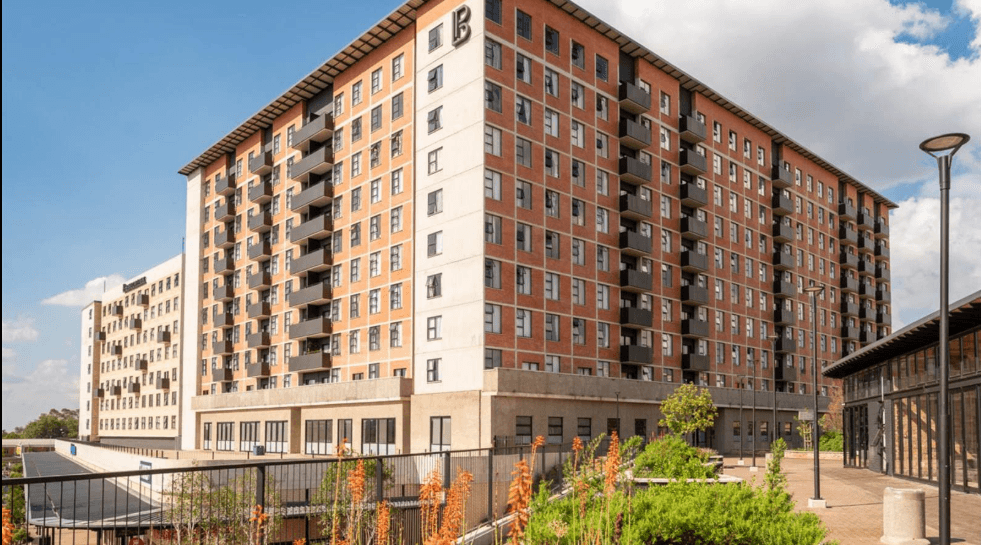
The Rise of Co-living Spaces in South Africa

Co-living has emerged as a significant trend in South Africa's housing market, particularly in urban centers like Johannesburg, Cape Town, and Durban. This modern housing concept offers an innovative solution to the challenges of urban living.
What is Co-living?
Co-living spaces are purpose-built or converted residential properties where residents have private bedrooms but share common areas such as kitchens, living rooms, and sometimes bathrooms. These spaces often come fully furnished and include utilities and services in the monthly rent.
Why is Co-living Growing in South Africa?
Several factors contribute to the rising popularity of co-living in South Africa:
- Affordability: With rising property prices in urban areas, co-living offers a more affordable alternative to traditional rentals.
- Flexibility: Many co-living spaces offer flexible lease terms, appealing to mobile professionals and digital nomads.
- Community: In an increasingly disconnected world, co-living provides built-in social connections and networking opportunities.
- Convenience: All-inclusive pricing and amenities simplify budgeting and eliminate the hassle of setting up utilities and furnishing a home.
Who is Choosing Co-living?
While initially popular among young professionals and students, co-living is attracting a diverse range of residents:
- Young professionals seeking networking opportunities and affordable housing in prime locations
- Remote workers and digital nomads needing flexible living arrangements
- Newcomers to cities looking for an instant community
- Older adults seeking community and shared resources
The Future of Co-living in South Africa
As urban housing challenges persist and work patterns continue to evolve, co-living is likely to become an established housing category in South Africa. Developers are increasingly incorporating co-living concepts into their projects, and regulatory frameworks are beginning to adapt to this new housing model.
Whether co-living represents a temporary housing solution or a long-term lifestyle choice, its growth reflects changing attitudes toward home, community, and urban living in South Africa.
Tags
About the Author

Thabo Mbeki
Thabo Mbeki is a housing specialist with over 10 years of experience in the South African property market.
Related Articles
No related articles found.